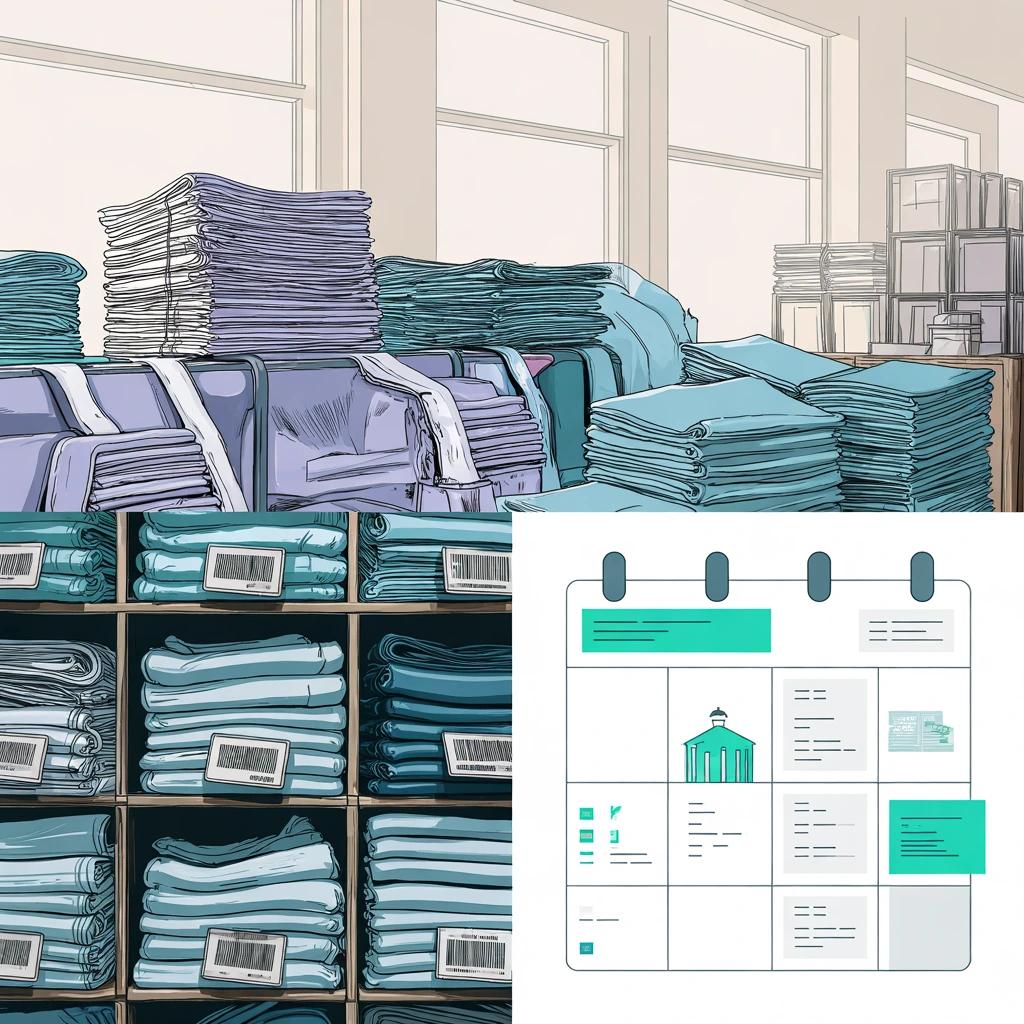
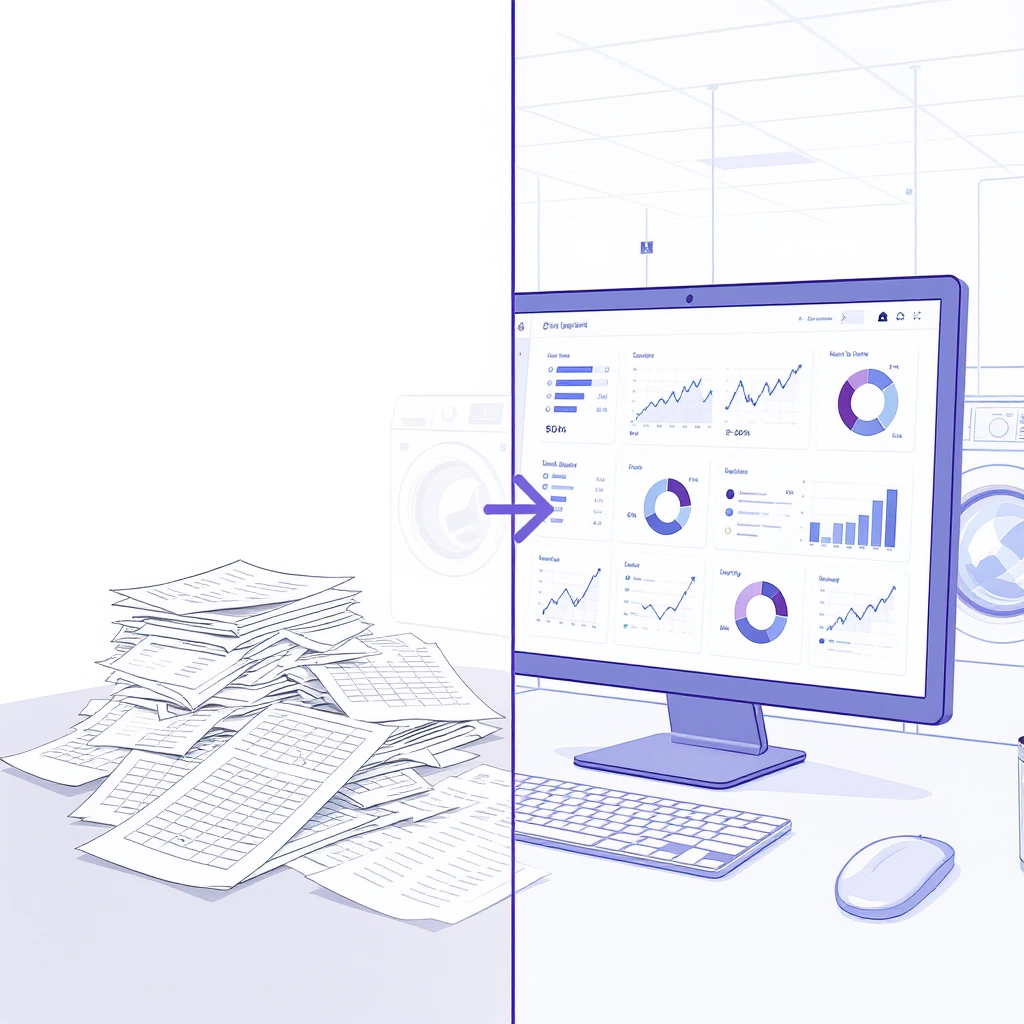
Regional hospital laundries are losing contracts before they even reach the technical evaluation phase. In 2026, public tenders in the Brazilian states of Espírito Santo, Rio de Janeiro, and São Paulo started requiring digital traceability as a qualification prerequisite. Operations that still run on spreadsheets are disqualified in the first filter.
This article is direct: what the tender demands, what the system needs to deliver, and where to start adapting.
What Changed in 2026
Tenders for outsourced hospital laundry services now require:
- Digital record per collection with date, gross weight, clean weight, and the responsible operator
- Retrievable history by period (usually 12 to 24 months) with PDF and XLSX export
- Weight tolerance validated under RDC 06/2012 between dirty area and clean area
- Configuration audit documentation — who changed soiling, pricing, or contract parameters, and when
- Portal or interface accessible to the hospital client with real-time visibility
In some tenders (Megalav-ES at R$25M and Hospital Ronaldo Gazolla-RJ are public 2026 examples), the requirement is explicit: “RFID traceability system or equivalent.” The word “equivalent” matters — RFID is not mandatory, but end-to-end traceability is.
What Is No Longer Accepted
- Excel spreadsheets — they fail the bar because there is no auditable configuration versioning
- Paper waybills digitized after the fact — no timestamp and no operator captured at the moment of collection
- Management software with no weighing record — only delivers financial reports, not the operational layer
- The driver’s notebook — no comment needed
What the System Needs to Deliver
1. Double Weighing with Timestamp
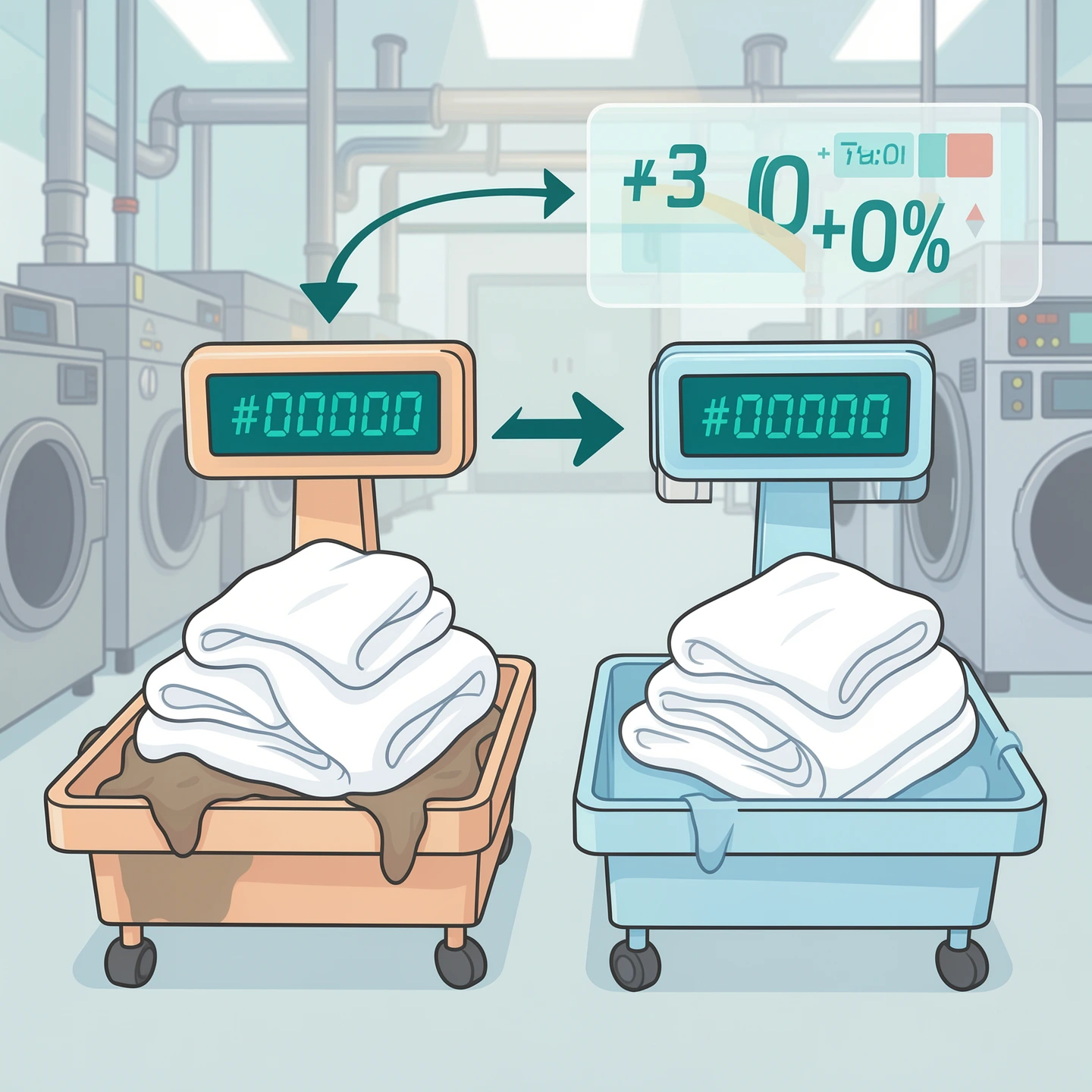
A collection at the hospital must have its gross weight recorded on the spot, with the operator identified. After washing, the clean weight is recorded as well. The difference becomes the actual soiling index and is compared with the contracted soiling level. The ±30% tolerance (RDC 06/2012) is validated automatically, not in the operator’s head.
2. Configuration Audit Trail
Every change to operational parameters (soiling index per contract, price per item, billing model, tolerance) must be logged with date, user, and previous value. When the tender auditor asks for an explanation about a change made six months ago, the answer is a three-click search — not a reconstruction from memory.
3. Export in the Tender’s Format
PDF and XLSX are the baseline. Some tenders specify the structure: column 1 client, column 2 date, column 3 weight, and so on. The system has to allow flexible exports, not just the vendor’s fixed report.
4. Client Portal
The hospital, as the buyer, values real-time access to collections and invoices. Some tenders already include this access as a requirement. A native portal (not an attachment sent by email) is a technical differentiator.
How Cleanifly Solves This
Cleanifly was built inside a real hospital laundry operation. Each of the points above is a standard module in the system, not a customization:
- Collection and weighing: tablet inside the truck, digital waybill with on-site signature, weighing in the dirty area and clean area with automatic timestamp.
- Audit and history: every configuration change logged. ANVISA tolerance validated per collection. Reports exportable in PDF and XLSX in the format the tender requires.
- Client portal: the hospital accesses collections, deliveries, invoices, and the active contract in real time, with a separate login.
- Security and compliance: six layers of security aligned with LGPD and RDC 06/2012.
Where to Start
If your next tender goes out in 60 to 120 days and the operation is still on spreadsheets, migration takes one to two weeks:
- Map active contracts and soiling parameters per client
- Bulk-import collection history (Excel into the system)
- Configure digital weighing with the existing scale — no equipment swap needed
- Train the operations team (typically in 2 days)
- Run in parallel for one month before fully replacing the old process
The system works with the industrial scale you already have (Toledo, Filizola, etc.) and the driver’s thermal printer. See the integrations page for technical details.
Next Step
If you are preparing for a public tender or a premium private contract and need to meet the digital traceability requirement, book a demo. In 30 minutes we will show you what your monthly closing would look like, with the hospitals you actually serve — no mockup, real data.